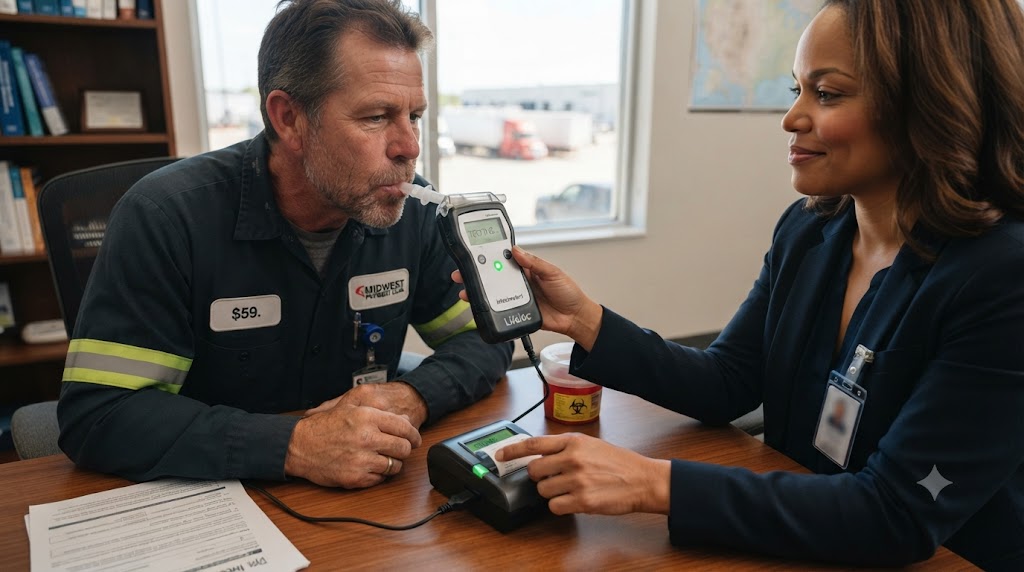
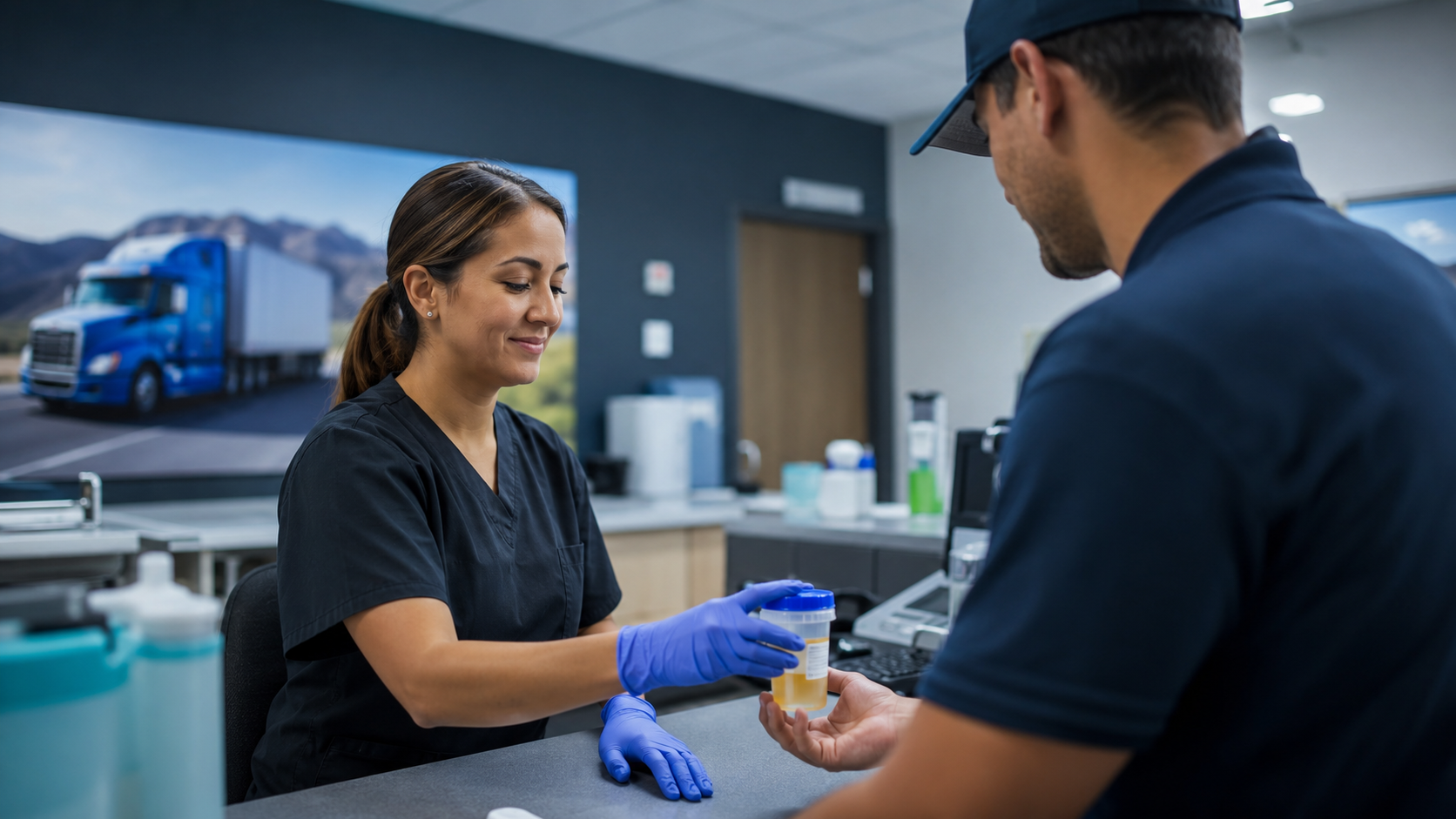
Signs & symptoms
The full 60 minutes on controlled substances and 60 on alcohol, as the regulation requires.
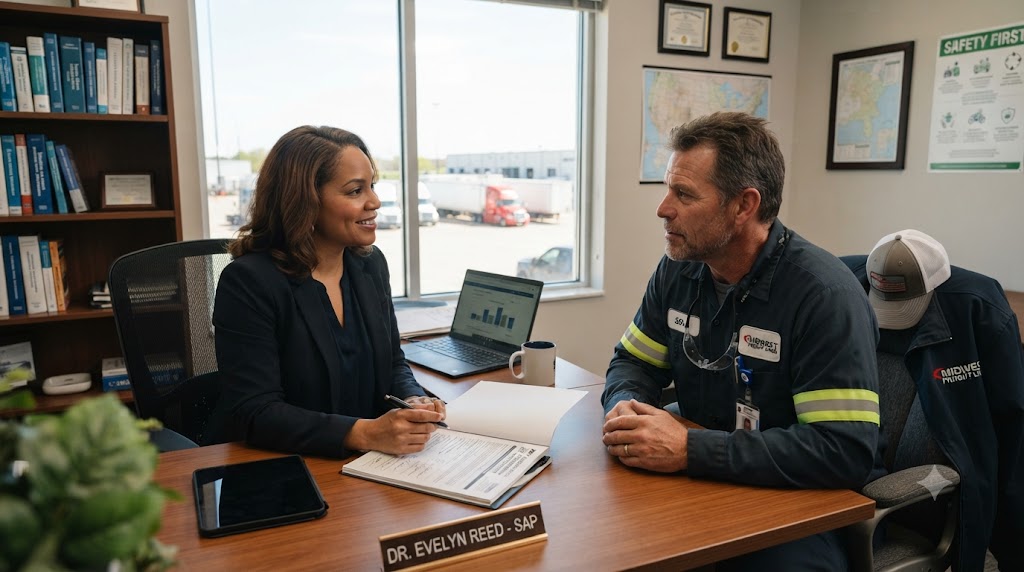
Every supervisor who can send a driver for a reasonable-suspicion test must have 60 minutes of drug training and 60 minutes of alcohol training on file. Most carriers discover this during an audit.
FMCSA employers must ensure that all persons designated to determine whether reasonable suspicion exists receive at least 60 minutes of training on the signs and symptoms of controlled substance use and at least 60 minutes on the signs and symptoms of alcohol misuse. Two hours total, and it applies to every supervisor who might ever make that call — not just the safety manager.
A reasonable-suspicion test ordered by an untrained supervisor is a defective test. It is also a finding regardless of what the result showed.
An untrained supervisor makes one of two mistakes. They send someone for a test on a hunch — no articulable observations, no contemporaneous documentation — which is unenforceable and exposes you to a claim. Or, far more often, they see something and do nothing, because they are not confident enough to act. The second failure is the one that puts an impaired driver on the road.
Reasonable suspicion means specific, contemporaneous, articulable observations concerning the appearance, behaviour, speech or body odours of the driver. Not a rumour. Not a pattern of absences. Not a colleague's opinion. Observations, made by a trained supervisor, documented at the time.
Online modules for supervisors spread across terminals or on the road, completed at their own pace with certificates issued automatically. On-site sessions where you want the room together and the discussion that comes with it — usually the better option for a group, because supervisors ask the questions they are actually worried about.
The training is the easy part. What an investigator wants is the record: who was trained, on what date, covering which content, for how long. We issue certificates, keep the roster against your account and flag new supervisors who need scheduling. When the audit comes, the training record is produced with everything else rather than hunted for.
The federal rule sets an initial requirement rather than a recurring one, but supervisors turn over, promote and forget. We recommend a refresher every two to three years and whenever someone new gains authority to order a test — and we track who is due.
The training, the certificate, and the record that proves it happened.
The full 60 minutes on controlled substances and 60 on alcohol, as the regulation requires.
How to write a contemporaneous observation record that stands up when challenged.
Removing the employee from duty, arranging the test, transport, and the time limits that apply.
Self-paced online for scattered supervisors, or on-site sessions for a group.
Named certificates with date and content covered, filed against your compliance record.
New and promoted supervisors flagged so nobody gains the authority without the training.
A two-hour requirement that takes about two weeks to close out properly across a fleet.
2h
Total required training
100%
Certificates retained
Every person who could determine reasonable suspicion — often more people than the org chart suggests.
Online enrolment or an on-site date that works around dispatch.
60 minutes on controlled substances, 60 on alcohol, with practical documentation exercises.
Named certificates issued on completion, with content and duration recorded.
Certificates stored against your account and produced automatically during an audit.
Anyone promoted into the role is flagged before they gain the authority to order a test.
At least 60 minutes on the signs and symptoms of controlled substance use and at least 60 minutes on the signs and symptoms of alcohol misuse — two hours in total — for every person designated to determine whether reasonable suspicion exists.
The federal rule sets an initial requirement rather than a mandatory refresher cycle. In practice, supervisors turn over and skills fade, so we recommend refreshing every two to three years and training anyone newly given the authority to order a test.
They should not. A reasonable-suspicion test ordered by an untrained supervisor is defective and is a finding in its own right, regardless of the result. Ensure at least one trained supervisor is reachable at every location and on every shift.
Specific, contemporaneous, articulable observations concerning the appearance, behaviour, speech or body odours of the driver. Rumours, third-hand reports and attendance patterns do not qualify on their own.
Yes, provided the content and duration requirements are met and completion is documented. Many fleets combine online delivery for remote supervisors with on-site sessions at their main terminal.
Still have a question? Call 248-526-9000 or send us a message.

Two hours of training closes one of the most common audit findings there is. Book a session this month.
We reply the same business day. No setup fees, no long-term lock-in.
Your email client should have opened with the details filled in. If it didn't, email us at info@ipsdrugtesting.com.